
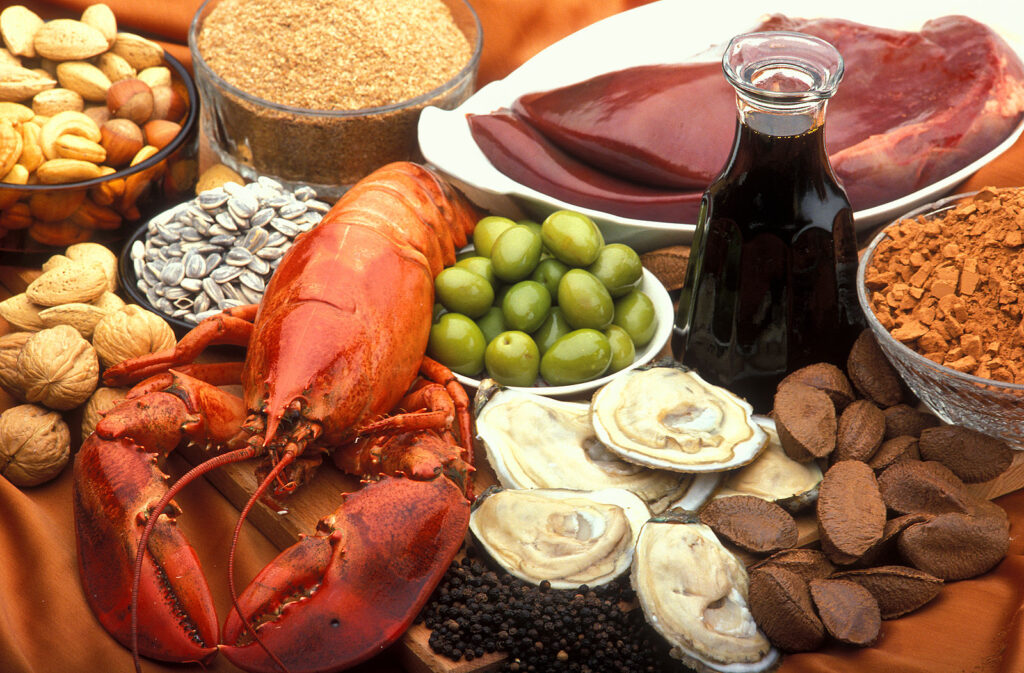
Researchers have found that eating a diet rich in copper can help the body stave off dementia and may be particularly helpful for people recovering from strokes.
The study, from China’s Fourth Hospital of Hebei Medical University and recently published in the journal Scientific Reports, found that 1.22mg of copper per day—approximately two medium sized potatoes with their skin—significantly boosted brain health and helped ward off cognitive disease.
The longitudinal study looked at how dietary copper intake affected cognitive function, especially where there was a history of stroke, in 2420 American adults from the National Health and Nutrition Examination Survey over a 4 year period.
The scientists behind the study believe that copper-rich foods may help regulate the release of neurotransmitters in the brain that are closely related to learning and memory.
The Global Burden of Disease study has projected that 152.8M individuals across the world will have dementia by 2050, so work to find ways to stem or alleviate symptoms is becoming ever more important.
It’s been long known that copper is vital for brain health because copper—a naturally occurring trace element—triggers the release of iron which helps carry oxygen around the body and protects the brain against cognitive decline.
Both deficiency and excess of copper can be neurotoxic to the brain, but till now its relationship with diseases like dementia have only been poorly understood or studied. In fact there is no evidence that metals like copper, zinc, iron or aluminium on the brain is related to increased dementia risk according to the Alzheimer’s Society in the UK.
Speaking of the findings, lead author Professor Weiai Jia, urged those who have a history of stroke in particular to add copper to their daily diet—and it can be in the form of potatoes, or other foods naturally packed with it, like wholegrains and beans.
“Dietary copper is crucial for brain health”, he said.
According to Britain’s National Health Service, copper is also thought to be important for infant growth, brain development, the immune system and bone health, and recommends adults aged 19 to 64 try to consume 1.2mg of it a day.
The China researchers did note however, that more research is needed to confirm the findings, with a major drawback of the study being that they used self-reported dietary reviews.
Foods High In Copper: https://www.copperh2o.com/blogs/blog/ultimate-guide-to-foods-with-copper?srsltid=AfmBOooIVgJIbu49wB-gaGtu0Z1iPSoBFP4gZtgNXfQlWP3ObsLlK4_q